Intro | Part 1 | Part 2 |
Part 3 | Part 4 | Part 5
Outro
Only albums I listened to for the first time going through the 1980s are included. This pulls out a lot of my favorites already Kate Bush’s classics, New Order & The Smiths, and Prince. If you notice Sade is not on this list, it’s because I’ve already heard those albums, and if you haven’t you should fix that. I’ve worked extremely diligently to only include one album from an artist, even though many of these artists were new to me. Only two bands got the two-album treatment, and for wildly different reasons.
There’s tons of resources to dig into the non-canon records from this decade. One of my favorites, and a list that has some truly sensational picks, is Kurt Cobain’s 50 favorite records. Pitchforks best albums of the 1980s list contains some great albums outside of the top20, and a few will be here! Rolling Stone’s best of the decade list was published in 1989, and at least shows the popular commercial stuff. The Steve Hoffman forums (which are still active btw!!!!) has an extensive debate about Rolling Stone’s list, and a commenter arguing the decade starts in 1981 actually, and has a treasure trove of odd-ball weirdo records I came to adore. They also post random 1980s lists like this one where commentators share their own favorites including forgotten pop records like Yazoo’s You and Me Both. Factmag’s 100 Best of the 1980s is awesome, and is inclusive of a lot of electronic music that I mostly didn’t enjoy. Youtube has become the Library of Alexandria for punk, punk-adjacent, and international releases by artists that do not have their music on streaming. Our two big aggregators in 2026, albumoftheyear and RateYourMusic, have generated two completely separate lists through years of user ratings — AOTY’s is 20% international and leans fairly alternative for mainstream stuff. RYM loves metal and has a ton of heavier albums.
When all was said and done, the 1980s ended as my favorite decade in music. Here is that journey.
- Much akin to disco, a ton of synthpop albums have 3-4 genuine rippers and 5-6 of the worst songs you’ve ever heard. A lot of these synths and melodies just sound so extremely dated. Even with how dated they are a ton of songs are still extremely personable.
- An excess of these records have been totally bastardized by streaming. The decade is best appreciated through youtube uploads by oddballs.
- Most bands or artists here have too much lore. I’ll try to summarize it in a sentence or two, but the backgrounds were DENSE.
- Record labels must have been on some insane power trip in the 1980s as a ton of good music comes out of or at behest of label disputes. It’s one of the most common themes, and it explains why a lot of this hasn’t survived in the public canon. It’s exceptionally punk to read and hear, and makes me detest the amount of power-worshiping stan culture has damaged listening experiences.
- Everyone’s in like 4 bands. Every band is connected somewhere. The 1980s are the golden era for “band releases 2-3 albums and then breaks up but then forms another group that releases 2-3 albums, repeat.”
- There are not many hip hop albums on this list. 1980s hip hop is… not good. You’ve already heard every good 1980s hip hop album probably.
Over the next 5 days, a new tier will be published. Our tiers for this exceptionally ridiculous exercise burdened by mundainity are loosely as follows: Laughably terrible, enjoyable for fans of the genre, great, recommended listening, all time albums and experiences.
A REMINDER, the only albums included in this list are those I listened to in full for the first time and attempting to listen to albums or artists I had never heard of.
50 albums, 5 days, my new favorite decade of music.
Part 1: Hyper-niche or Hyper-bad
Welcome to our first block of music. It’ll be the only block that is encompassed with albums I did not like. I hope you enjoy the ramblings of some of my most detested albums I’ve ever listened to.
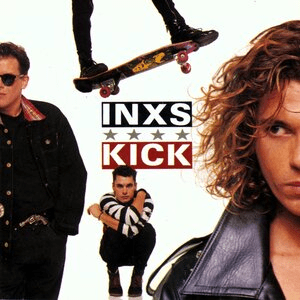
INXS – Kick (1987)
This is apparently one of the best selling albums in the history of music – 20m sales and 6x platinum in the U.S. It is the highest selling album of the 1980s by an artist I’d never heard of – or heard any of their songs (except Need You Tonight) – and I never desire to hear any of them again. Kick exists as a great reminder of how many thrift store bins are full of albums that sold millions of copies lacking any remote influence. As a listening experience, there is nothing remotely novel to care about. Every chorus attempts to be catching or memorable, the guitars attempt to play to rock desires, and not a single risk is taken. I was not alive for when this was released, but I imagine white people across the world loved this while being terrified at any sense of culture. It’s like a Van Halen x George Michael album, except Van Halen doesn’t have a guitar and George Michael is on vocal rest.
Big Country – The Crossing (1983)
Ya’ll remember U2? There’s a whole bunch of bands that sound like U2 (bad)! Big Country is doing that, and really exceeded at ensuring these songs sound like each other. The streaming version, which is a “Digital Remaster” btw, is so laughably horribly mixed it ruins the few moments the group sounds good. If you want Celtic pop rock, sure, press play. I personally wish I could wipe my cache to Apple Music so it never knew I streamed this.
Dead Can Dance – Spleen and Ideal (1985)
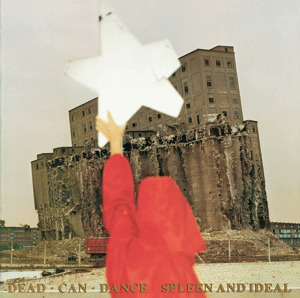
Spleen and Ideal has war drums throughout the entire experience. It adds close to nothing other than being a distraction to the rest of the sonic layers. There was a movement called “classical darkwave” in the 80s, where I presume people were just throwing new wave sounds at the wall, making it depressing, and adding classical elements. You end up with albums like this, an auditory stew that doesn’t jive and sounds exceptionally dated. Lisa Gerrard’s vocals, when she was allowed to take up space on this album, are perfect and made me long for an entire experience with her instead. Luckily the first 3 songs and the 8th feature her!
Diamanda Galás – Litanies of Satan (1982)
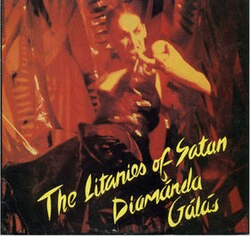
Let’s set some ground rules for what this album is. Look at the background and upbringing from the artist, via Wikipedia:
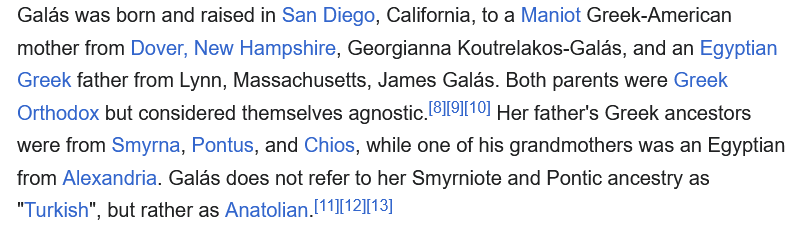
The child of Dover-father and Lynn-mother is not going to be your standard typical run-of-the-mill human. Now that we’ve established our artist’s background, I’m going to tell a story.
In my late twenties, after an alcohol & Yankees fueled night out in Brooklyn, I drove a dear friend to the New Haven train station at an hour reserved for rats, marathon trainers, and construction workers. Facing a body shaking hangover, we listened to a renegade public talk radio station broadcast out of the Bronx. Much of the memorable experience was a woman in a kitchen, flowing through the space and sound while preparing to cook a meal. Glasses clinging, pots being organized, towels being ripped, you know the vibes. It wasn’t music, it was much more an auditory welcome into someone else’s space as they went through their morning. About 15 minutes into this experience, nursing hangovers that would kill weaker souls, we were shocked to attention as the host embraced a microphone to offer a trigger warning: the next period of the show will embrace light sounds of cutting and chopping as they must prepare the food for cooking. At this point, with the deepest level of willpower, my copilot of a 2012 Hyundai Sonata limping up I-95 requested: “Is there any possibility we could listen to anything else?” For those interested in a German expressionist’s perverse auditory ramblings over droning synths, Litanies of Satan will push you to the exact same brink as that fated 6:45am drive to New Haven, demanding you ask yourself: “Is there any possibility I could listen to anything else?“
If you want to truly dip yourself into the Diamanda Galás experience, you can also listen to 1986’s The Divine Punishment, which at least can be qualified as music. I really truly cannot recommend either of these experiences unless you are contorted, actively seek out experiences Protestants would throw holy water on, or want to hear a vocalist that directly influenced the artist formerly known as Lingua Ignota, Kristen Hayter.
The Human League – Dare (1981)
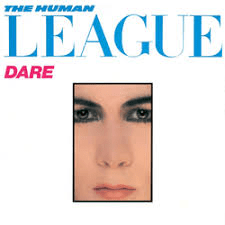
We all know the song Don’t You Want Me — it’s one of the quintessential 1980s songs your uncool aunt knows all the words to. Believe it or not, the band that made that snoozefest also made more music! Dare is one of the most boring and hallow albums I’ve ever sat through. It serves as a relic of early popular synth music, yet adopted all of the worst aspects of disco. It doesn’t balance this at all and instead layers itself with tepid lyricism. The coolest moment (the literal only one) are the deep ripping synths on Darkness.
Christian Death – Only Theatre of Pain (1982)
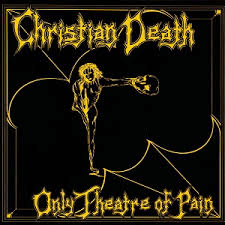
Before being edgy on the internet or IRL rage-baiting, you made a band with your friends and sung songs about things that would anger your priest. Some examples: “Jesus won’t you come touch me, come into my heart” — “god helps those who help themselves” (said in reverse) — “I’m dreaming about her dying.” It leads itself to a very conflicting experience, where it’s not approachable yet some of the guitar riffs hit with interest melodies.
Flipper – Generic Flipper (1982)
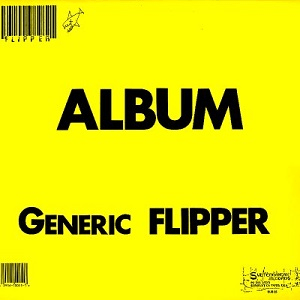
Here’s a joke: At a band meeting, the lead songwriter says: “What if we all played our instruments badly and the lead singer didn’t know how to sing or talk?” There is no punchline. Instead there is 32 minutes of really bad music followed by one song worth listening to. A hilarious waste of time.
Bathory – Blood Fire Death (1988)
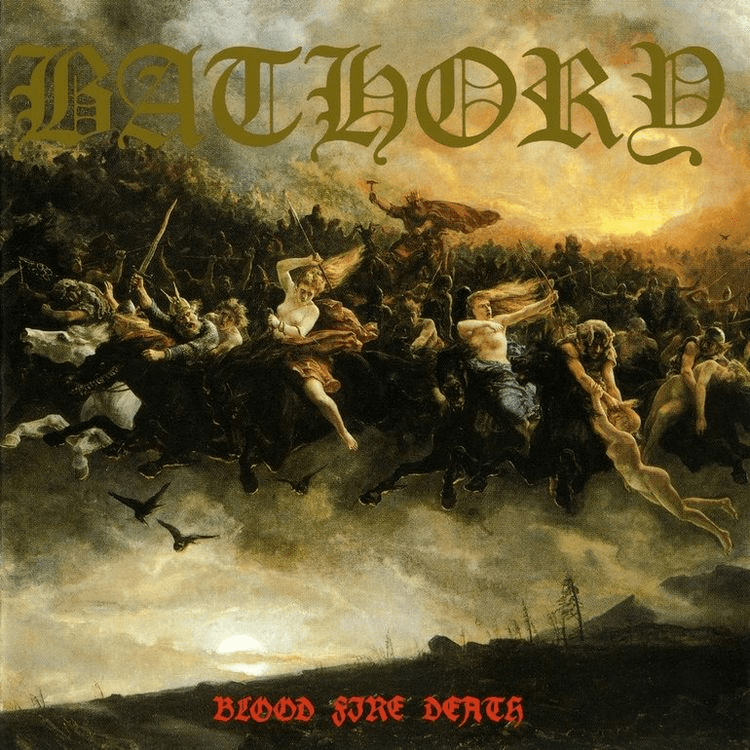
I spent a pretty extensive period of my life getting deep into Swedish death metal. It was the only metal I’d ever heard that focused on the melody instead of being soooo heavy dude. One of the first CDs I ever spent real money on was In Flames’ Clayman, and one of the first albums I downloaded illegally was Disarmonia Mundi’s Fragments of D-Generation. I could write thousands of words about how incredible Disarmonia Mundi is. Who cares about that – this Bathory album is the blueprint for that Swedish scene. It sounds as dated as the year next to it, but if for some reason you also end up with a Swedish death metal phase… have at it. I’d personally recommend you listen to Kneeling On Broken Glass by Disar- nevermind.
Boogie Down Productions – Criminal Minded (1987)
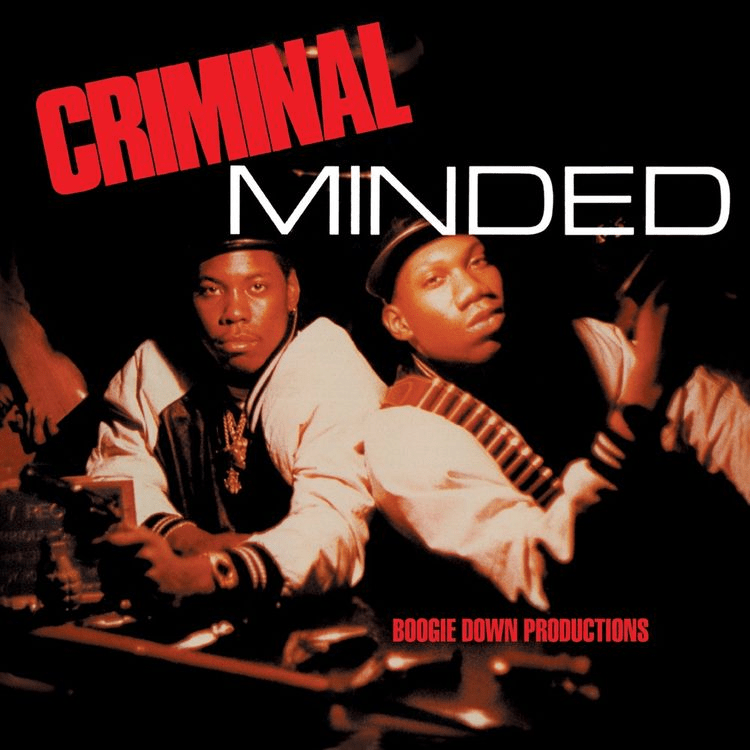
The most dated album I listened to of the decade. It’s like #240 on Rolling Stones’ best ever. Sounds like this:
Part 2: Every Genre Starts Somewhere
Our second block of albums digs into many of the beginnings of genres. I wouldn’t label any of these albums bad, but instead have a unique charm. Many of individual songs grouped here are sensational, but the whole album experience lacks mastery of the sound. This is also the only section of the retrospective where I’ll attempt to assign a genre to the albums. Here on out is the ‘recommended listening’ portion — with each album having enough good tunes to enjoy even the most casual listener.

The Housemartins –
The People Who
Grinned Themselves
to Death (1987)
Genre: Indie || I imagine listening to The Housemartins in 1985 akin listening to The Killers in 2004, continually thinking “isn’t it a bit too soon for a cover band?” The Housemartins sound like a Wal-Mart version of The Smiths with slick verses and easy listening indie pop. The total experience sounds modern with glaring exceptions of the ballads, which land hilariously dated. Lyrically – I’d describe the experience as “Catholic schoolboy tries to understand Socialism.” Side B is so much more fun than Side A, where upbeat melodies and dancing take center stage. The group only released two albums – with this being their last – and they all went separate ways. The future of the individual members included: writing children’s books, forming another band, and being Fatboy Slim.
Prefab Sprout – Steve McQueen (1985)
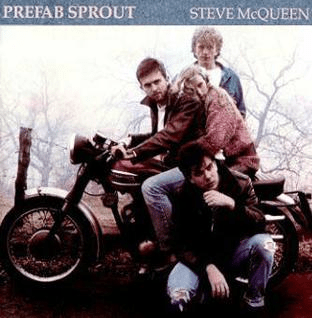
Genre – pop rock || A lot of bands attempted to combine pop & rock music, and they did it horribly. Many did it in ways so detestable to the medium you almost want to write off both genres. The line between “worst music I’ve ever heard” and “might be cool” is extremely thin, and I typically draw it at “did the band embrace silly.” Prefab Sprout, without sauce or aura, would have been one of those groups. Luckily, the leader of the band (named Paddy McAloon btw) borderline overdosed on aura (look at the cover) and wack instrumentation (wind instruments are everywhere). You’re going to have to lean into the extremely old school keys – When Love Breaks Down goes from unlistenable to a groovy hip thrower once you do. The first half seemingly plays a lot of these songs super safe, while the second half has tunes like Horsin Around and Blueberry Pies which will make you audibly laugh.
Keith Sweat – Make It Last Forever (1987)
Genre – bump and grind | Many years ago, my partner & I test drove a early 2010s Honda from a car dealership in a less-than-reputable neighborhood. During that test drive, Genuwine’s Pony came on the radio. About 6 words into the first verse, my partner asked “is this Genuwine?” – to which, the salesrep sitting shotgun enthusiastically exclaimed, “Yep, oh yeah it is. You were probably conceived to this song.” A more than an insignificant amount of people aged 35 – 38 have been conceived to Keith Sweat’s Make It Last Forever. For many aged 28 – 33, Keith Sweat is known as a name drop in a great Drake song — you could change that today by hearing how he contorts his voice throughout this sensational entry to the latter 80s.
The Waterboys – This Is the Sea (1985)
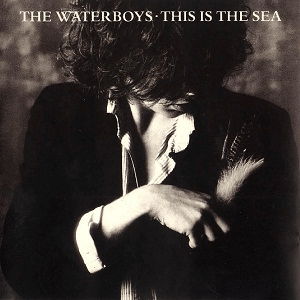
Genre – Bruce Springsteen || Heartland rock meets cigarette smoking pompousness. While America was bustling with anthems across numerous Tri-state white boys, England sent one back to attempt to recreate the same magic. It couldn’t be done, but it’s still raucous time. The experience is carried by some really emphatic choruses, and will generate more than one earworm on a daily commute. I listened to more than one Waterboys album, and can happily recommend both this & Fisherman’s Blues.
Big Black – Atomizer (1985)

Genre – Alt rock || Alternative Rock and the indie sound had to start somewhere, and Atomizer condenses the demented ramblings of Zappa with relentless unique guitars. Each song features a new tone, new concept, and are becomingly brash. It’s not meant to be an easy listen on your first go, but on a second or third the matrix is opened and the true harmonic nature of these songs hits. Bazooka Joe starts with what appears to be ramblings, but quickly becomes the calling card for the entire band. It’s a great metaphor for the entire album, where any moment of misunderstanding can actually become a glimpse into polish. There’s a comfort in the repetition, a comfort that only builds on repeated listens.
Dead Can Dance – Within a Realm of a Dying Sun (1987)

Genre – industrial gospel || Nothing I wrote about the other Dead Can Dance album applies here. Call it fools’ confidence, call it unrelenting determination, I decided to give the duo another chance and Within a Realm of a Dying Sun is tighter, scarier, more harmonic, and features split sides for each vocalist. There are continued sweeping horns, varied strings, and religious thematic ideas throughout. To my fellow raised-Catholics, this might scratch an itch inside you that’s laid dormant since pre-confirmation. The 38 minute run time feels exceptionally long, as though you’re traveling through both the world and time itself. An incredible experience, sensationally unique, and one that I will not ever forget.
Night Time – Killing Joke (1985)
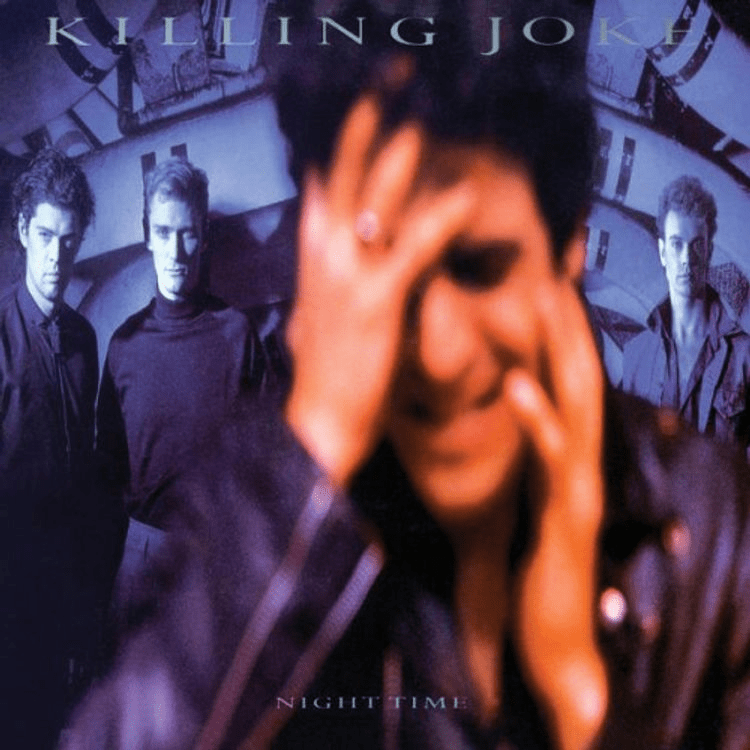
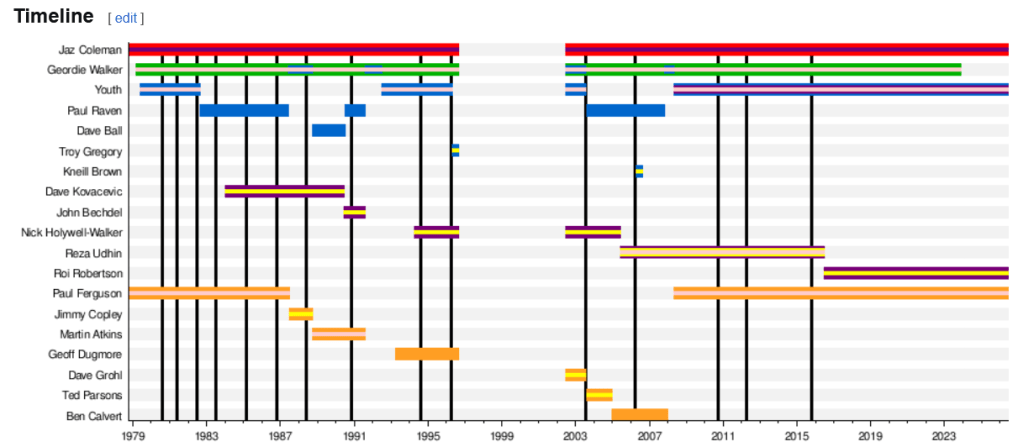
Genre – pre-grunge || Night Time made one of my most conflicting listens of the decade — when the group tossed aside pop ambitions there’s some truly incredible hooks and tunes packed into this 8 song romp. The mixing is captivating, with the bass and drums packed to the front while the vocals feel airborne. Tabazan is one of the most unique songs I heard of the decade, and sounds like it was the blueprint for at least 10 grunge songs. You can directly hear the tonality from UK post-punk guitar to shifting song natures and vocal delivery. A great overall experience that any band leader should scrape for 30-second inspirations. Night Time also has this absolute beast on their wiki:
Throwing Muses – Throwing Muses (1986)
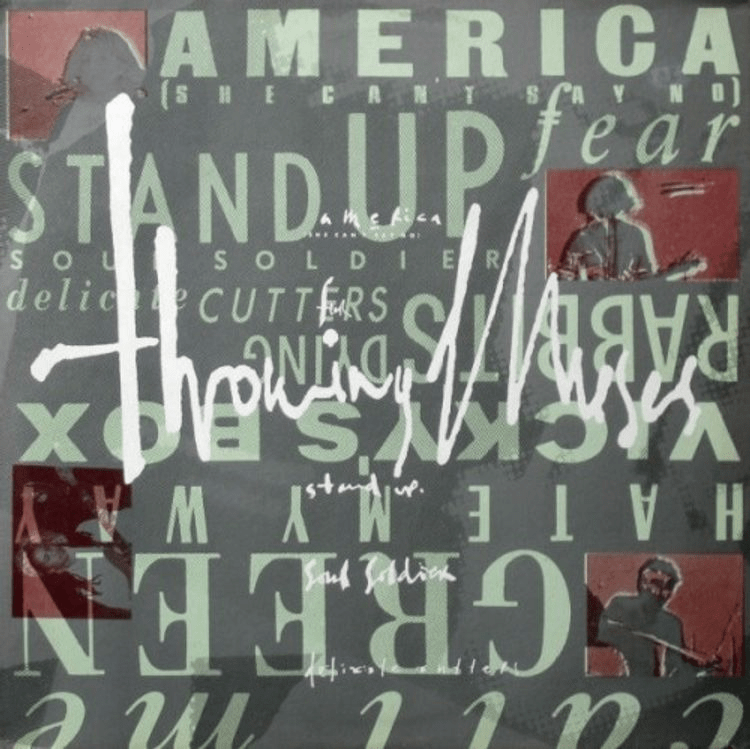
Genre – indie rock || Throwing Muses pulls the curtain back to a Boston music scene long gone, offering a glimpse into what feminism could have offered to post-punk. Each song is dripped in personality, and there’s a few great cuts where the band lets the top really off. Rabbits Dying is the most outlandish of the bunch, and was destined to launch some type of country-punk-indie genre. You can hear a lot of early millennial college-radio throughout the album – especially compared to the Yeah Yeah Yeahs – but many of the individual cuts lack layered nuance that demand you listen again until the second half.
Daniel Johnston – Songs of Pain (1980)
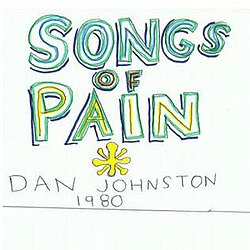
Genre: Lo-fi pop || Each cut on Songs of Pain contains a glimpse into Daniel Johnston, the person. Every second is as human and raw as any album released after it, mixed in a way that will trigger an innate response from anyone. Lo-fi at it’s core, piano captains the ship while Johnston attempts to steer it through exceptionally gutting stories of life’s wounds. The entire experience is juvenile, with an exceptional amount of lyrics pulsed through the rawness of youth. Somehow amongst all of the favorable compression, you’ll find true moments of beauty – I Save Cigarette Butts features my favorite individual noise in the intro, a bass-adjacent sound that would make a riddim DJ blush. Johnston, the man and artist, has far too much lore for me to write about, but I heavily recommend a few google searches to inquire about one life’s great interesting musicians.
Songs of Pain is a one-of-one listen. I have not ever nor will I ever hear another album like this. It’s tiered here from the countless songs that are practically demos, but songs like An Idiot’s End deserve to be canonized forever. Dancing between the brash attempts and glimpses of brilliance is a mesmerizing waltz, one that will either exhaust you or bring you to tears. You might even cry while you dance.
Agent Orange – Living in Darkness (1981)

Genre – read the paragraph || If you want to hear an American answer to British punk, I cannot recommend Agent Orange enough. Living in Darkness is rough, but pushes the limit of punk music in the decade. So many snobs and pompous fools described good punk as “art punk” or “art rock” — those labels don’t apply here, and rather this is pre-thrash or surfer punk music. Too Young to Die sounds like a demo for Kill ‘Em All saturated with melodic riffs that would envy almost any audio engineer from the 1970s. Everything Turns Grey is literally a pre-Metallica song – in a just world, would have the same public canon as Cum on Feel the Noise. Originally released in 1981 with 8 songs, every single cut is so insanely tight you’ll wish it was a 12 song experience. One of those albums that gets better on every future listen, and has numerous songs that ended as favorites of the decade.
Part 3A: Cool is a State of Mind
It’s easy to forget the 1980s had a lot of cool music. The stuff that’s survived has mostly been relegated to storytellers most of us would rather not listen to. Popular music was reduced to Greatest Hits CDs or Top One Hit Wonders lists, minimizing the overall album experience of numerous artists. I found 5 albums effortlessly dripped in personality across Pop, R&B, Country, Rap, and Hardcore. It’s easy to see the mass appeal of any of these, and are palpable to put on in mixed company.
Stacie Q – Better Than Heaven (1986)

I would understand if your pop appetite in 1986 would have already been full: Madonna, Pet Shop Boys, and Michael Jackson all releasing genuine classics. Better Than Heaven is silky, effortlessly cooking perfect choruses in between snappy snares and ripping bass lines. Even slower cuts could get a dance agnostic to groove a little, and true believers will be unable to not immediately start swaying along.
Stacey Q’s streaming profiles are odd. I’ve seen 3+ editions of Two of Hearts in her top songs. It remains my least favorite cut out of the entire project, immediately outclassed by the following 9 songs.
The D.O.C. – No One Can Do It Better (1989)
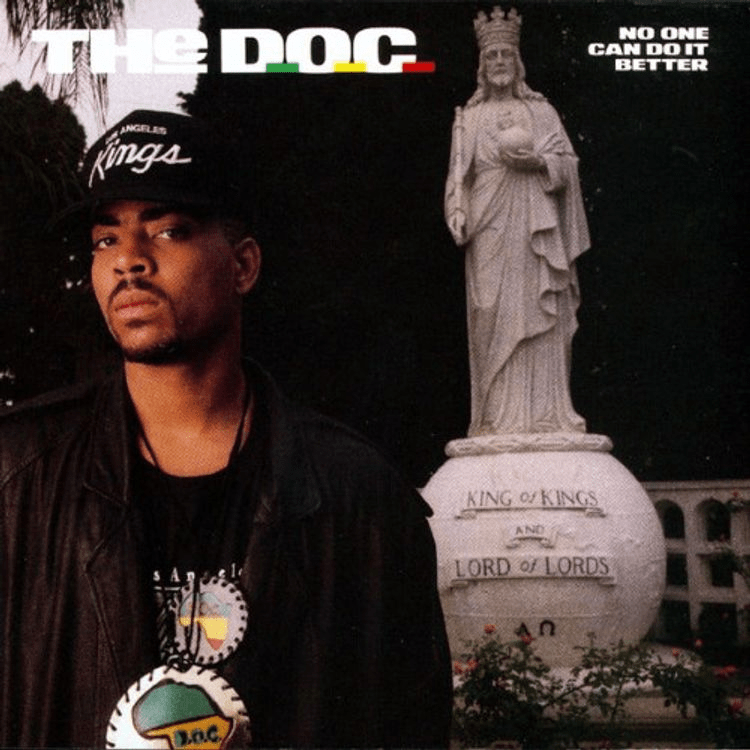
1980s hip hop is… tough. The instrumentals are frequently jarring, flows and rhyme patters seldom change, and the genre was in it’s infancy. The D.O.C. made easily my most enjoyable hip hop listen of the decade credited to Dr. Dre’s production choices. There’s some incredible guitar work and samples throughout the project, and The Formula slides through speakers. ‘Classic’ is a term that gets thrown around a lot, but this deserves the title as each song is more memorable than the last. Unfortunately, we never got to see what The D.O.C. could have been and this lasts as his only true solo project.
Randy Travis – Storms of Life (1986)
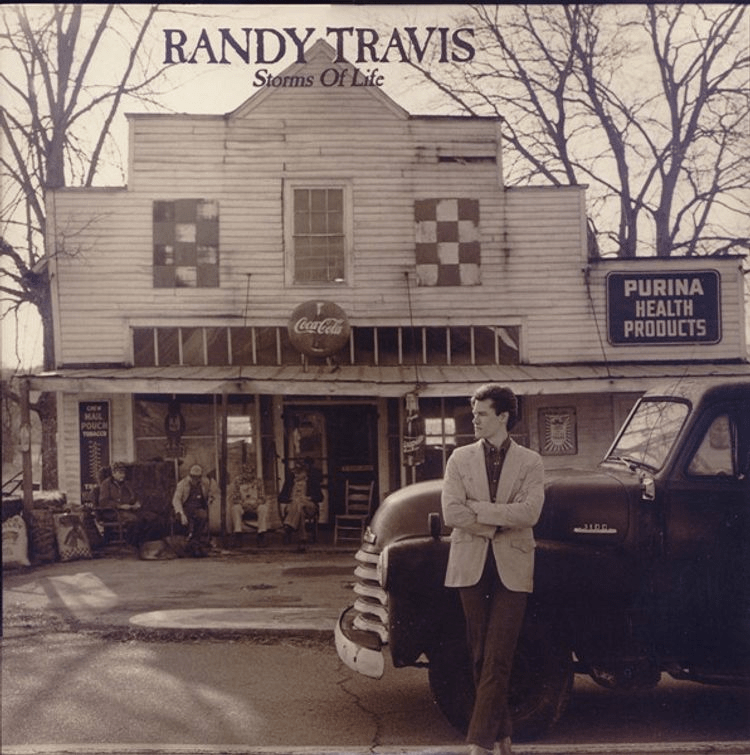
I don’t even know what made me listen to this. It’s the only true country album I’ve included in any list I’ve ever written, and I’ve never even heard of Randy Travis until digging through this decade. This thing is *3x platinum*. I found the overall experience to be charming, like a friend playing guitar for you in their living room. It lacks all of the propaganda of modern country music, and feels like it should be in the porch hall of fame. Guitar licks are great, the instrumentation is broad, and you could skip Randy Travis’ voice on water. Storms of Life also has one of the funniest songs I’ve ever heard – Reasons I Cheat – which should be self explanatory.
I also adored Randy Travis’ wicked hokey follow up, Always & Forever.
Luther Vandross – Never Too Much (1981)
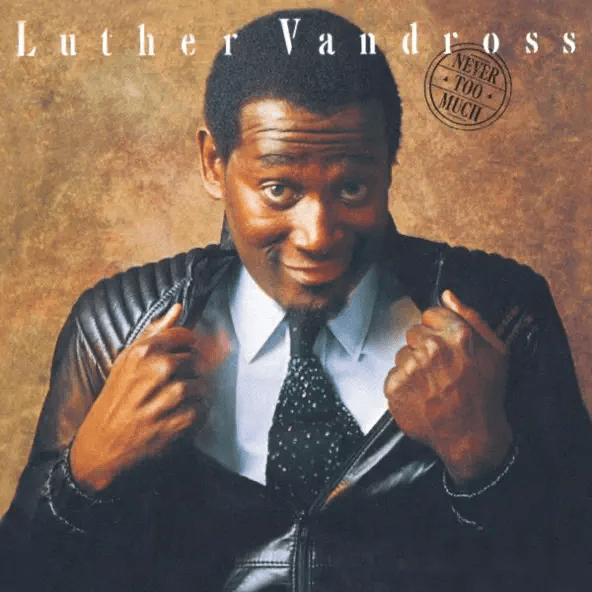
1981 is a very interesting year for popular music — it’s after disco’s formal decline, Motown’s move to LA, Reaganism, and yet immediately before Thriller‘s pinnacle. Luther Vandross, a voice blessed by God herself, put on a 36 minute showcase of popular music. Never Too Much‘s bass lines are it’s grandest highlight. They’re meaty, groovy, and drive the entire experience. The record’s existence is an act of resistance. Vandross, a gay black man signed to a Sony record label in 1981, croons with his entire heart about how much he loves and needs his lover across this entire experience. I listened to a good bit of his 80s catalogue, but I found no crop of songs more enjoyable than these.
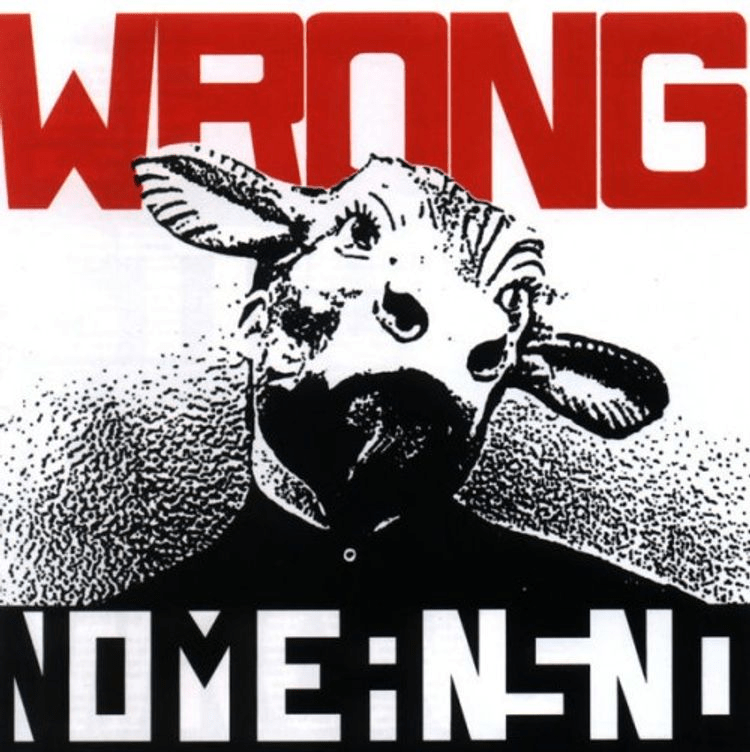
NoMeansNo – Wrong (1989)
Hannah: Your only responsibility is to put meat on the table. You got a girlfriend?
Belfort: Yeah, a wife. Her name’s Theresa. She sings in a Jazz band.
Hannah: Congratulations. Think about Theresa. Name of the game? Make new sounds, familiar enough they buy the album. No. #1 Rule in the 1980s, nobody – I don’t care if you’re Jon Bon Jovi or Bruce Springsteen – nobody knows if the music’s going to be good, bad, great, awful, catchy, or sell. Least of all the musicians. It’s all a Fugazi. You know what a Fugazi is?
Belfort: Yeah… uh… a Fugazi, touring band with no gold or diamond albums.
Hannah: Fugahzi, Fugaizy. It’s a wazi, it’s a woozie, it’s fairy dust. It doesn’t exist, it never landed, it’s not on the billboard charts. It’s not real. Stay with me. We don’t create or build anything. So if you have a listener that listened on his drive home, he’s all happy and he wants to listen again and show his friends. You don’t let him do that, cause then that would make it real. You know what you do? You get another brilliant idea. A special idea. Another situation. Another album for the listener to buy. And he will every single time. Cause they’re addicted. They just keep doing this again, and again, and again. He thinks he’s becoming a music connoisseur, and he is, in his CD collection. But you and me? The real listeners? We’re able go to the tour.
Belfort: That’s incredible sir, I can’t tell you how excited I am to gatekeep 80’s hardcore.
Part 3B: To Be Born is to Die. Life is Limited, Yet Music Will Outlast Us All.
This medium is how we decorate time
Our own clocks forever ticking
Our tenure on earth is limited
Do you discuss death
Do you embrace each second alive
Coil – Horse Rotovator (1986)

Each tune borders on the avant-garde, with horror strings chiming in whenever they feel like it. The gothic Ostia (The Death of Pasolini) stands out immensely as the extensive layers compound on themselves under an assault of violent imagery. More creative individuals might listen to Penetralia and burst entire genres out of the song’s absurdity. If you can make it through the first 5 goth/industrial songs, the latter half is full of songs that would fit well in Banjo-Kazooie (complimentary). Horse Rotovator is one of the most imaginative albums of the decade with enough juice to influence anyone that opens their heart to it.
Virginia Astley – From Gardens We Feel Secure (1983)
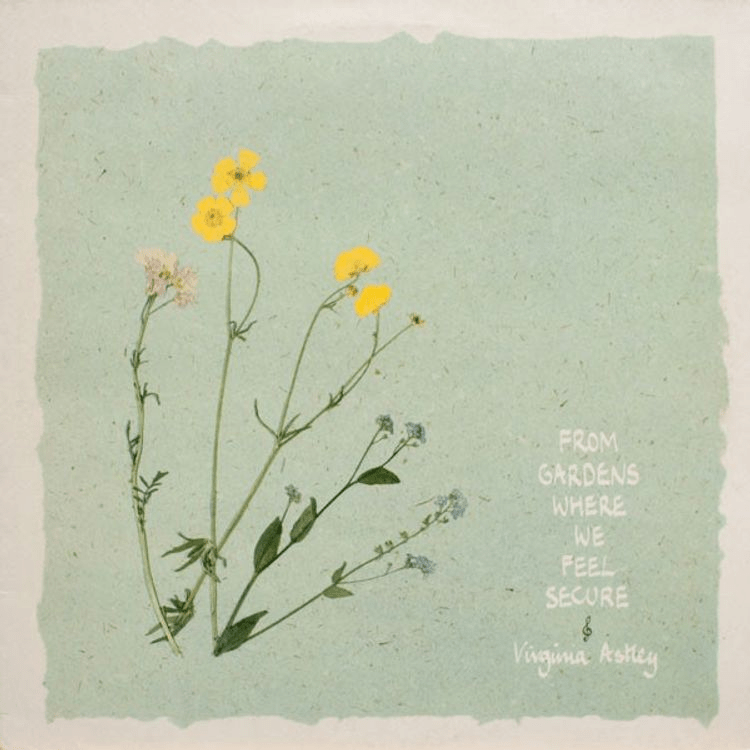
Innocence is ripped from our lives. One day, the world demands we are no longer juvenile, and thus are thrust into the compounding crises of the time. Cultural schisms crack our own psyche as we grow, demanding present harshness at any resistance. None of that is present among Virginia Astley’s piano. From Gardens We Feel Secure allows jubilant comfort. It demands you relax in between the key’s poems. May you feel it’s warmth envelop you and the memories of your fondest summer days crash over you. No greater acts of self care exist in the digital age than listening to nature in it’s purest form, and no album from the 1980s is as meditative as this.
Skinny Puppy – VIVI Sect VI
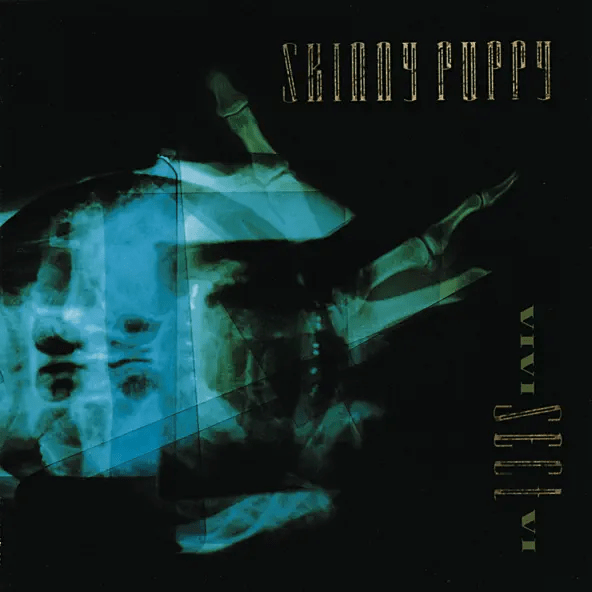
I’ve been recommended Skinny Puppy more times than I can count. I finally dipped my toes in for VIVI Sect VI, and cannot emphasize this enough: this is one of the best industrial albums I’ve ever heard. It exists in this quasi-fusion of synth pop and abrasive industrial noise. It’s a miracle no band member rejected the insane risks taken across this sweeping run time. Even the most accessible cut – Testure – has at least 5 layers of sound on it. If you’re a freak or desire music made by freaks, I cannot recommend this experience enough.
Philip Glass – Glassworks (1982)
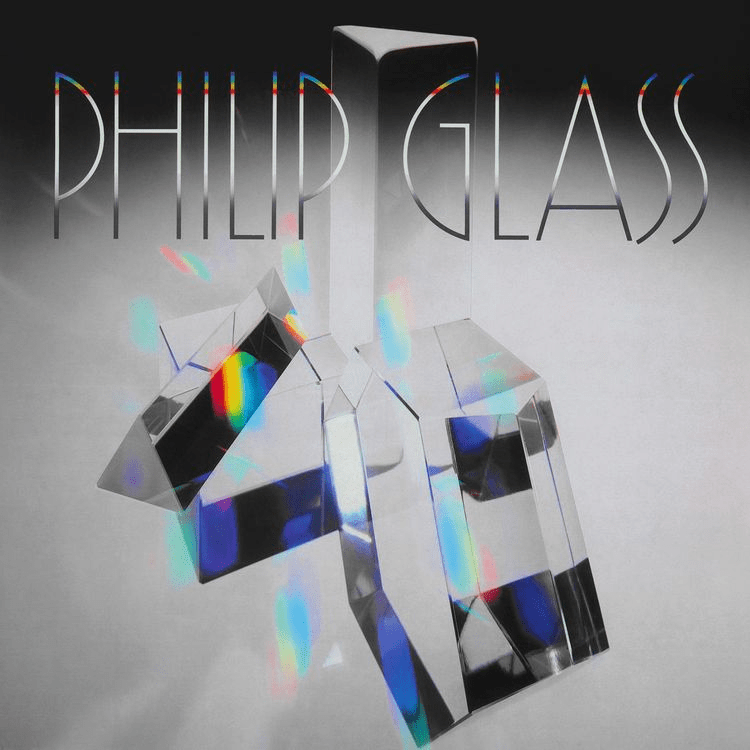
The son of Jewish emigrants, whose parents opened their doors to Holocaust survivors, influenced by his father’s record store collection, trained by Johns Hopkins’ private music prep school, grew to be a 15-year old Mathematics student at University of Chicago — fixated on writing theatrical scores — decided to write pop songs with wind instruments 13 years into his composing career.
Glenn Branca – The Ascension (1981)
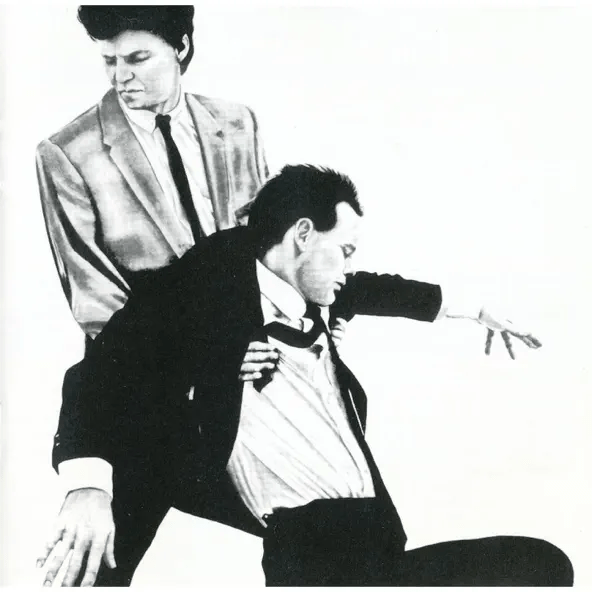
If I told you this album had no lyrics, would you believe me? If I told you it’s 5 songs, would you believe me? If I told you the song lengths are 4:55, 12:38, 3:09, 8:18, and 13:09 would you believe me? If I told you 42 minutes of guitar riffs in different tones is the best rock album of the 1980s, would you believe me? If I told you I cried on my first listen, would you believe me? If I told you I heard the past, present, and future of guitar, would you believe me? If I told you I heard Swans, would you believe me? If you don’t, it’s okay. Listen yourself and see if you end up as a believer too.
Part 4: Sometimes the Past Sounds Like the Future
Every album here on out is worthy of it’s place in the the canon. If anyone told me it was their favorite album or the best album of the 80s, I’d understand why. This is the pinnacle of some genres and the roots of what inspires our current artists. As the first decade with expansive experimentation, each of these releases demonstrates creative freedom and mastery of new tools.
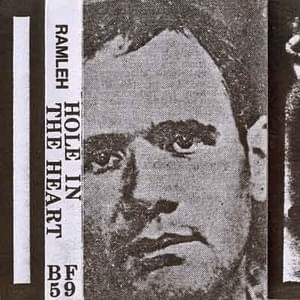
Ramleh – Hole in the Heart (1987)
Okay sickos, tap in. You like droning synths? The type that go on forever? It’s a little scary at first but eventually you like it? No drums, just synths. Great experience, and mandated for anyone that really likes noise. I transported to some of the oddest musical spaces I’ve ever been in this, and is an insane opportunity for sample fodder for budding producers.
Depeche Mode – Black Celebration (1986)
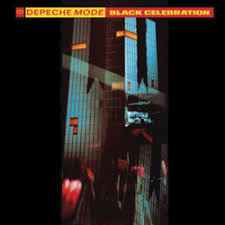
I’ve spent most of my life dodging Depeche Mode. I’ve always felt it’s one of those bands you just had to be there, man to really understand. Black Celebration changed that — it’s an extremely patient listen that rewards every second you await the payoff. On an album with nothing but ripping synths, my favorite tune ended being Sometimes, a stripped back ballad about exhausting others to the point of embarrassment. I also found only one song on here sounding dated (Dressed in Black), while the rest of the overall experience has melodies that rip even in our current decades. It’s also excused as the next song is New Dress – one of the best songs of the entire decade. If anyone told me their favorite band was Depeche Mode or their favorite album was Depeche Mode, I would think extremely highly of them. If they told me their favorite Depeche Mode album was Black Celebration, I’d cover their tab.
Au Pairs – Playing With a Different Sex (1981)

Yet another gem not found on streaming. I cannot imagine the level of rage every member of this band felt writing cheeky, fun, and wittier songs than so many of their male peers. The best songs on Playing With a Different Sex are some of the best punk songs of the decade layered with some truly incredible instrumental choices. Side B never stops grooving, and has numerous songs that are laugh out loud funny. The riot grrrrl wave of the 90s may be 10+ years after this release and thousands of miles away, yet this is a sensational artifact before that rage commercialized.
Pet Shop Boys – Please: Further Listening 1984 – 1986 (1986)
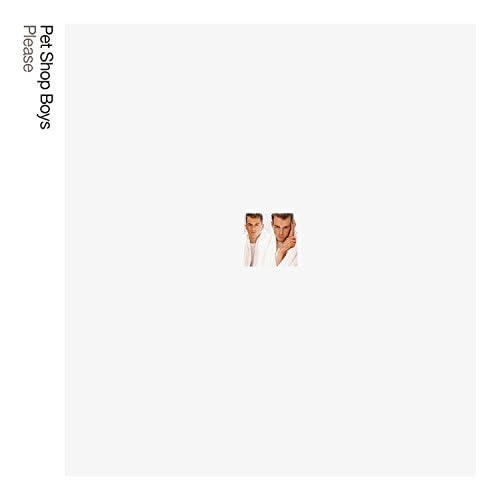
Synths are funny. You’re limited by what they’re physically capable of. Yet that limitation frequently provides such a euphoric noise no other instrument can emulate. Please highlights what synth-pop could have been, a genre full of dance floor anthems ripping notes our mortal brains could only dream of. It’s cvnt before V became a vowel. It’s remarkable Pet Shop Boys haven’t survived in popular culture nor have a very vocal crowd outside of drag circles. It’s the best post-disco dance music of the 1980s by any group that isn’t named “New Order” or actively inventing house. The highs on Please more than make up for the lows, and the undeniable hits on the rest of Pet Shop Boys discography should keep you hanging around. To every current & aspiring DJ reading this — listen to the 80s Pet Shop Boys catalogue and flip them.
Julee Cruise – Floating Into the Night (1989)
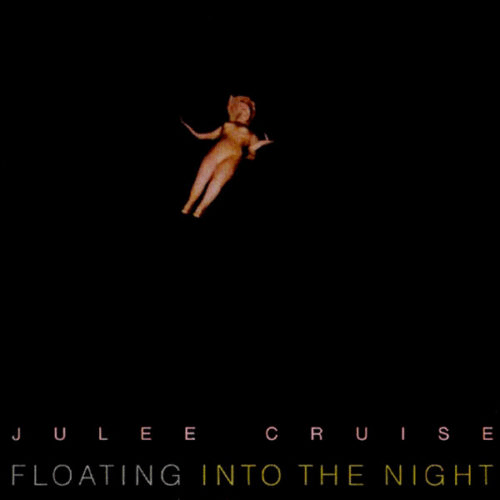
The album sounds exactly as the album cover looks. Written by David Lynch, this 1989 masterpiece blends the dreamiest atmosphere with Julee’s exceptionally luscious vocals. Much akin to the floatiest pop music you’ve ever heard, the overall experience can transport you directly inside of it. No dream pop album since has as much aura as this, enjoys as interesting of a composition, nor centers a more interesting cast. A mandated listen for anyone that enjoys the in-between.
Oppenheimer Analysis – New Mexico (1982)

Some of the juiciest, meatiest, grimiest synth are layering throughout this experience. Across all 55 minutes, I couldn’t help but continually throw hip. Synth pop continually found new ways to disappoint me, but Oppenheimer Analysis didn’t once. New Mexico is a truly rare gem, a futuristic onslaught of flowing vocals that sound as 2080 as it does 1980. It’s a masterful recording, enchanting my own imagination of what the genre could aspire to be.
Rites of Spring – Rites of Spring (1985)
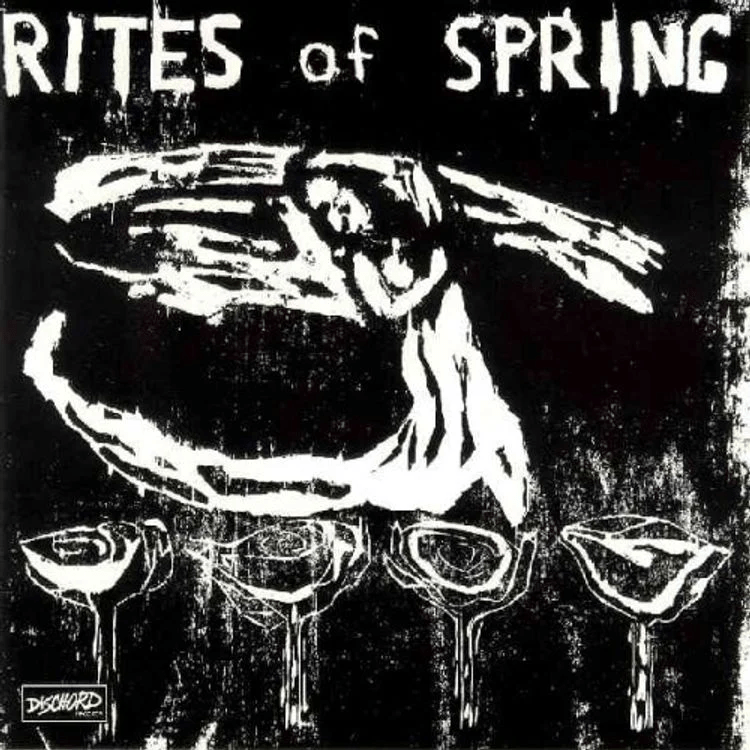

Rites of Spring sounds 20 years ahead of it’s time and was lyrically 40 years early. Combing exceptionally vivid emotional lyricism with great hooks is the blueprint for good hardcore music. This project was Fugazi’s lead singer’s first band, and leans into channeling our inner rages into melodies. As a former Rise Against super fan, I loved every single song on here and spent the entirety of an afternoon digging into Guy Picciotto’s background. Turns out, he hates the idea of labeling music ’emo’, the Iraq War, and at one point had two buzzers. You can read that entire interview here on a website that reminded me how good we had it before the tech geniuses took over.
Wipers – Youth of America (1981)
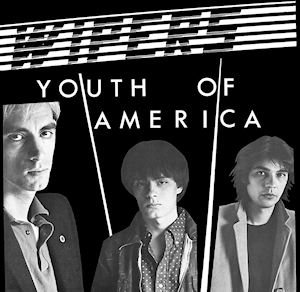
Youth of America is effortlessly cool, pushing the song lengths to absurd degrees with gorgeous guitar tones throughout. I imagine Cloud Nothings had every member study this album when they were writing their earlier records. Released at the dawn of the modern neoconservative movement, the reverence of the performances still stands today. Each song is so complex and shifting, a repeated listen will sound like a completely new record. Timeless, unconstrained, and seamless, a seminal album for hard rock or punk enjoyers.
David Kauffman & Eric Caboor –
Songs from Suicide Bridge (1984)
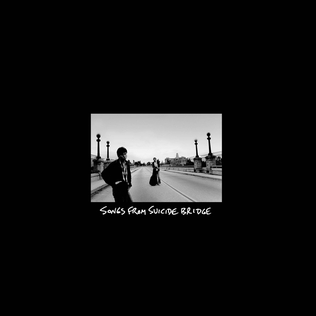
Songs from Suicide Bridge should not exist. It taps so deeply into the hope of 1980s California with the nihilistic sadness of collectivism’s death. Loneliness is a curse, a plague, and a sickness. Miracles succumb its grasp to inspire the lost with a guitar. A 4-track home studio produced my favorite atmosphere of the decade, and told the saddest stories I heard. I do not believe this was ever meant to be heard by the masses. It exists as miracle album, one out of lonesome determination to leave passages for anyone who listens. May it arrive when you want to hear it the most.
Grace Jones – Nightclubbing (1981)
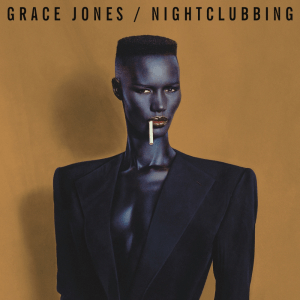
Nightclubbing is seminal pop listening by a bona fide superstar with produciton from 2281. Modern producers are still catching up to 1981. It’s not as immediately impressive as some of the disco projects of the 1970s, but rather leaves repeated soft impressions that foreshadow what life can and will be like. I’ve Seen That Face Before is one of the best songs ever put to pauper. The living blueprint for modern pop artists.
Part 5: The Really Special Stuff
Emotions long locked behind manufactured walls are dredged to the surface by melodies, lyrics, or nothing at all. Music as a medium is about creativity, exposing ones’ sole as bare as possible with the tools of your time. It’s reflective of our grand collective, and exposes ones’ rawest passion. In my top100 list (already extremely outdated), the highest ranking 80s albums were Tom Waits’ Rain Dogs (#12), Prince’s Purple Rain (#18), and Joy Divison’s Closer (#21). If I reordered that list, half of these would be in close company to that trio.
These 10 albums demonstrate the pinnacle of imagination and reflection. This is ordered, and are my favorite experiences from this exercise.
This Heat – Deceit (1981)

Post is defined as ‘after, subsequent, later’ by Merriam-Webster. The label’s been thrown around forever to define the shift when punk musicians started making good music, or when rock musicians stopped trying to write hooks. Labels barely fit Deceit, and instead I’ll describe it as: a collective group of odd Brits writing music inspired by nuclear warfare. It’s post-hope. The instrumentation is a gaggle of whatever they could fit into the freezer box they recorded this in. Each of the band members had outside fixations: traditional Indian dance, throat singing, anarchist politics, the end of the world. Refinement and practice cannot make music like this, it is hearty and palpable exorcism of our intrinsic fears. This is arrogance and pompous knowing your death date – a one-of-one experience that is more cinematic than it is musical.
The Blue Nile – Hats (1989)
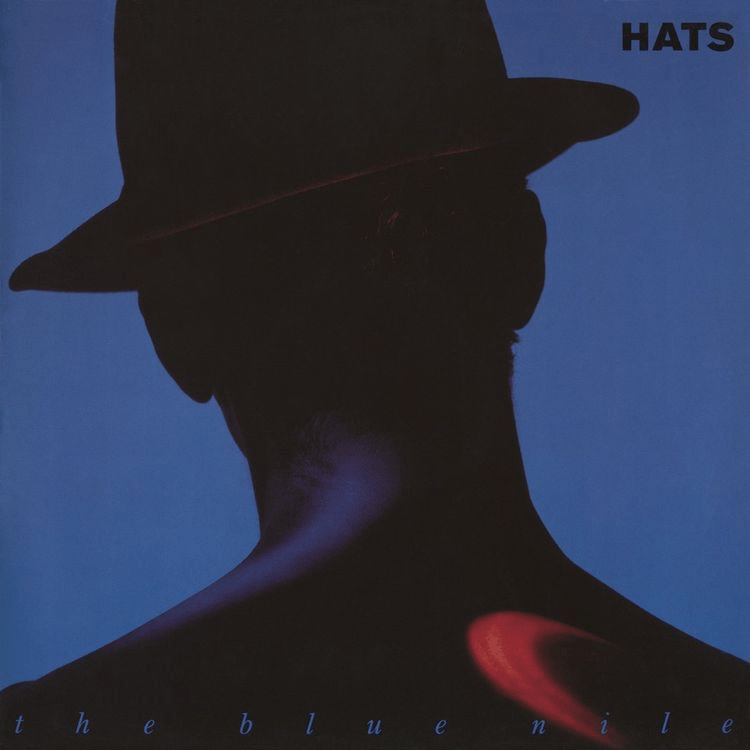
Summer ’26 had Scotland send their finest to Boston, MA for the World Cup. They drank numerous grand city establishments dry, changed the laws to inspire communal joy, and reminded one of the most boring cities in the states that fun is legal. In my crosses with the Scots, I had a geezer recommend Hats to me. It was described as: “Happily falling in love in the city while you’re heartbroken” — at least that’s what I understood from an accent so dissimilar to mine it shocks me we spoke the same language. Put on The Downtown Lights and listen to one of the best songs ever made — a tune so far ahead of it’s time it still outpaces most indie bands now. If not for a nearly perfect album 3 slots down this page, Hats would have been my favorite pop experience from this months-long journey.
Grim – Message (1987)
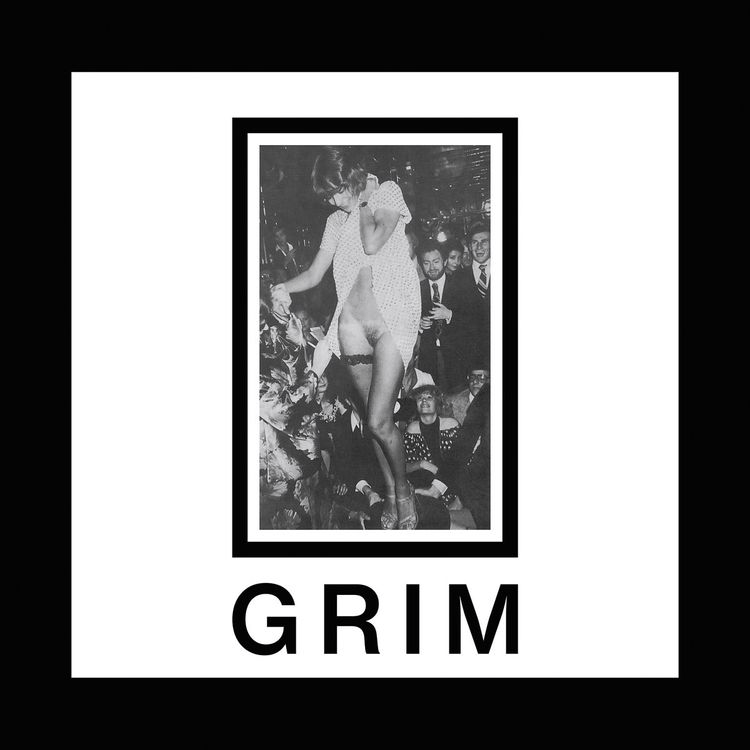
The gang’s all here: lo-fi vocals compressed to the point of being indecipherable, electric and acoustic guitars dancing around each other, and raw unfiltered noise over folk instrumentals. There’s a deep level of beauty found in these songs. It’s soothing, as though you’re being delivered to a destination of comfort, while at the same time feeling bumps as the road gets harsher. Twangs and twings from the guitar bounced around my brain, and ended as my favorite lo-fi project of the decade. It’s borderline impossible to find anywhere, but luckily a fabled youtube account named philosophyofawifebeater has uploaded extensive releases from the outsider communities. It’s albums like this that made this entire contortion worth it.
The Cleaners from Venus – Living with Victoria Grey (1986)
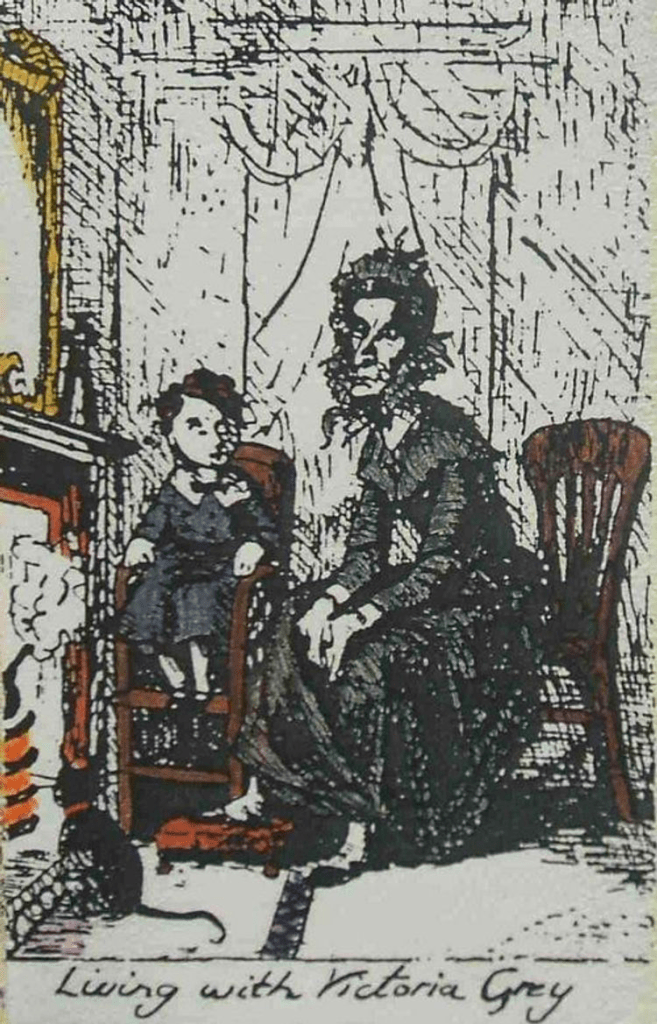
Animal Collective wanted to be The Olivia Tremor Control. The Olivia Tremor Control wanted to be The Cleaners from Venus. The Cleaners from Venus want to be Looney Toons characters. For whatever creative decision, this sensational relic of psychedelic jangle pop is littered with random skits that fit beside Daffy Duck. The skits do not add anything to the experience. They interject some truly gorgeous harmonies, layered guitar work, and sensational song structures. Pearl is a purely vocal masterpiece and it’s preceded by an electric nose trimmer. It’s one of the most normal sequences on the album, much unlike the frequent visits from ‘Mr. Patootie,” who laughs at you every chance he gets. If you invest enough energy into this, you’ll be hit with a deeply rewarding experimental pop album from an era that lacks them.
The Fall –
The Wonderful and Frightening World Of… (1984)
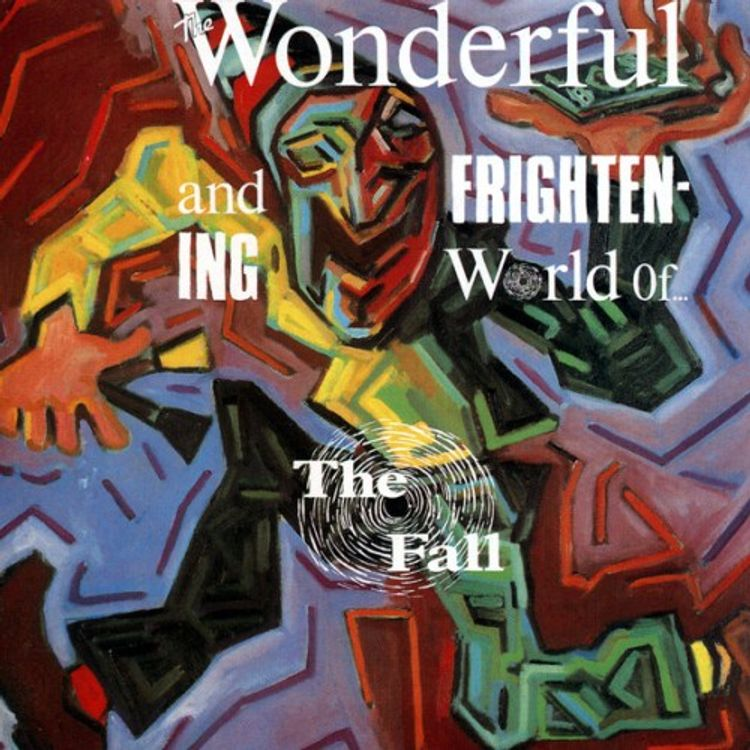
I’ve never really understood British punk bands. The Clash bores me. Catalogued music talks about the punk movement with such reverence one must think the music was actually good, and I’ve continually found it deserves it’s place next to Recycling-Compost-Trash. The Wonderful and Frightening World Of… bucks all of that. Easily my favorite moment on here includes a full fledged spit into the microphone halfway through Elves — every time I think about it I laugh. It’s one of the best songs of the decade and this dude straight up scuffs into the microphone halfway through it. The other seven songs provide a cavalry of soundscapes that I fell deeply in love with. The Wonderful and Frightening World Of… is a sensational reminder of the fun, joy, and dance that must be found within us. There will never stop being bumps in the road, but one day we all must find peace in between them. Sometimes those bumps are songs like Bug Day.
Few bands impressed me as much as The Fall. Their run from Hex Enduction Hour to Bend Sinister is some of the best punk-adjacent music of all time. You can directly hear future influences to bands like Animal Collective, MCR, LCD Soundsystem despite making music distinctly different. The Fall are one of those bands with enough localized excellence in each song their talent becomes ubiquitous. Somehow, they released over 30 albums from 1979 to 2017, and I’d never heard a single one until now.
Leonard Cohen – I’m Your Man (1988)
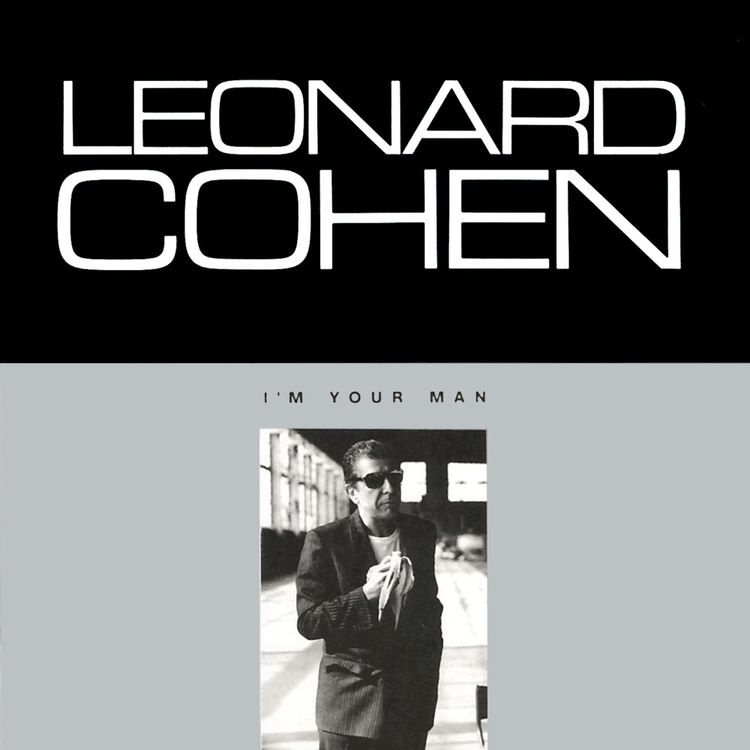
There’s few stories more exciting than an artist’s reinvention 20 years into a career. I’m Your Man‘s first 5 songs are perfect. They are immaculate, worthy to be written in gold in the canon of music. The final 3 are varying levels of “good” to “why did you do this” – typically bouncing between the two within the same minute. It all comes together as a masterful songwriter embracing eastern European styles with 80’s electronics. Take This Waltz, Everybody Knows, First We Take Manhattan, I’m Your Man, and Ain’t No Cure For Love are five of the best songs ever laid to wax, and are more than enough to cement the album as one of the grandest ever recorded. You could create entire genres out of the ideas of each of them. In maybe the best single year of music releases, I’m Your Man is my favorite from 1988 and instantly one of my favorite singer-songwriter records ever.
The Raincoats – Odyshape (1981)
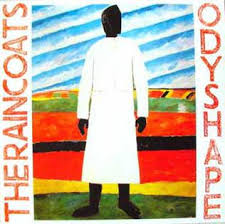
Straight up, this was my 11th 10/10. There is nothing straightforward about this experience, an expansive 9 song creative explosion by a 3-piece group. Vocals layer themselves and harmonize jarringly throughout the entire experience, as if at war with the absurdist instrumentation. Battles between sharp strings conflate each song, forcing your comfort to be found in Ana de Silva’s soft delivery. No moment of respite lingers as song structures’ unpredictability forces you to hang on to any reprieve or comfort. Influences span across continents and generations. While the song structures may be expansive, they whimper when contrasted to the instrumentation: industrial style drums, electric violin, and extensive African folk instruments. No album from the 80s sounds remotely like this and it’s delivered by 3 British women throwing out the rulebook for what ‘punk’ can/should/would be. Odyshape is a miracle album, one that deserves all the praise it’s ever received.
The most integral influence of The Raincoats’ career is the direct influence it had on Kurt Cobain, who extensively publicly praised the band to the point of a re-issue.
| Minutemen: Double Nickels on the Dime (1984) | Minutemen: What Makes A Man Start Fires (1983) |
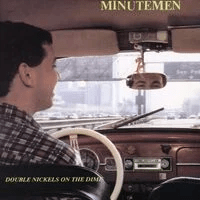 | 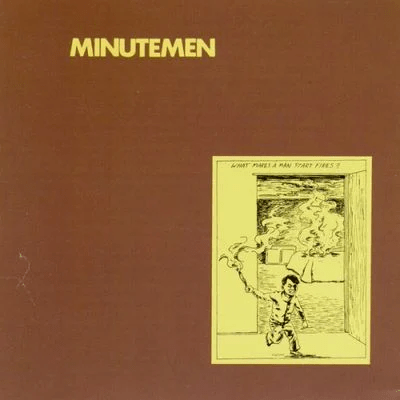 |
Minutemen, blew me away with such reverence they deserve this recognition of having two albums this high up. What Makes Men Start Fires feels like pure-Minutemen, a thrust of creativity with endless ideas juxtaposed by absurd long lengths. Only 3 of the 18 songs run longer than 2 minutes, yet every single song is politically charged with borderline futuristic structures. There are emo bands in the 2020s trying to make songs as deeply haunting as Plight, or chords as enchanting as the intro on The Anchor. Glimpses of brilliance never overstay their welcome, and rather arrive in 5-10 second soundbites ready to illuminate your ears whenever you welcome them.
Now, Double Nickels on the Dime? Double Nickels… ON the dime? Double Nickels on the DIME? It took me 6 sessions to get through my first listen of Double Nickels on the Dime. With the foresight of the future, you can directly trace every single popular punk-relevant counter-cultural song to something on here. On repeated listens I heard so much of the Blink-182verse, early semblances of grunge, and exceptional amounts of cultural nostalgia ripped from these songs. If you’re a real hero and want to experience this album via streaming, I wish you luck. There are four sides to this experience, and Sides D & Mike (the first album) includes:
- A bakers’ dozen of exceptionally political tunes
- Do You Want New Wave or Do You Want the Truth, a song so lush and unique in this decade it’s difficult to comprehend it’s existence
- One Reporters Opinion, a borderline jazz song with a song structure as free as birds
- Political Song for Michael Jackson to Sing – you can read the name
This experience gets denser and denser, with more creative structures and less dopamine hooks the deeper you delve. Your reward (I remind you we’re still in the first half of the experience) is – and this is not a joke – the Jackass theme song. If you’re unfamiliar after the intro riff, it’s a protest song about the ubiquity of American avarice indebted to sympathy of the Mexican people.
I do not want to spoil anything about sides George & Chaff, but would really recommend splitting the experience. The political density doesn’t end, but the packaging flips through so many different styles at a brutal pace. My favorite cuts in the back half are No Exchange and This Aint No Picnic, but there’s another 20 to pick from that make it nearly impossible compare. In a just world, Minuteman’s bite-sized songs would have made them the biggest band in the world. In 2026, the average length of popular music is shrinking smaller and smaller, reducing hooks to short form cuts. The blueprint for rock music is right here, but I cannot fathom any modern artist exhuming this much creative output at this level. In 21 months, Minuteman spurned out 63 songs across these two albums. You could randomly select 5 at any point and the modern influence is immediately palpable.
My 1980s journey ended with What Makes Men Start Fires as my favorite individual rock album, my 12th 10/10, and a piece of art I recoiled from a lifetime of withdrawal of it’s ideas.
Strawberry Switchblade – Strawberry Switchblade (1985)
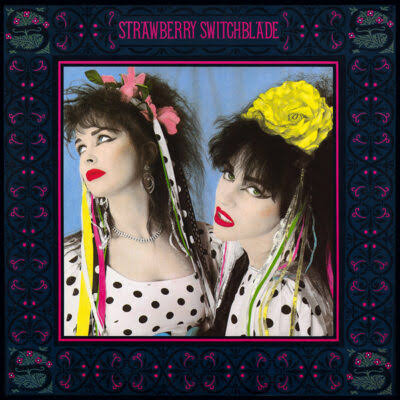
When I was younger, I had exceptionally vivid dreams. So vivid, my therapist required I keep a dream journal to document my unconscious brain activity. Most of these were one-off hallucinations of nothingness, but with repeating patterns. I would frequently have dreams of a perfect day – beach, theme park, sports, cooking competitions, etc. – swiftly turn into nightmares by an untold realization of all the characters in my subconscious world were ‘fake’ version of themselves. Manifested by faces contorting in unnatural ways, eye colors turning black, and spoken tongue sounding like it was layered upon itself, I always remembered these instances for weeks after they happened. No piece of media reminded me of the moment of a perfect dream splintering into pieces more than watching Coraline for the first time. Strawberry Switchblade sounds like the deep exhale, peace, and serenity of a perfect day immediately before life is altered forever — watching it shatter in slow motion. It is manifested agoraphobia
My 13th 10/10, my favorite album from the 1980s, and a kaleidoscope of sounds I’ve never imagined could exist. An experience dripping in innocence and naivety confronts the darkest realities of life: death, growing apart, loss of friendship, heartbreak, and the vulnerability found falling in love.
The streaming release of Strawberry Switchblade includes 8 bonus songs — Poor Hearts, Ecstacy, Jolene, Black Taxi, Trees and Flowers, Michael Who Walks by Night, an extended mix of Since Yesterday, and I Can Feel. While I don’t believe many of included moments land as powerful as the main release, they are welcome additions to the experience.
The Graveyard of Takes
For the absolute sickos that care about the miscellaneous thoughts about the 80s at large that plopped through my head, here they are:
- The most inventive and best song on Thriller is Beat It
- Unless you’re a drag queen/king or a DJ that’s actually talented, there’s not much reason to listen to synth-pop
- 80s r&b is more enjoyable than 00s by a significant margin
- All of the unsung hipster music from the 80s is significantly better than the same of the 70s. The 70s is borderline unlistenable, and the entire decade is carried by inventive UK artists.
- Hip hop is worse here than any other decade. Excusably, they were really just trying to figure out what sounded good.
- Donna Summer might be the most underrated popular artist ever
- Metallica is better than 99% of other metal bands, and sold as much as they did because their songs were good. Thrash metal mostly is bad Metallica songs
- Outsider culture is the most exciting movement of this decade, and has almost entirely been abandoned through rash capitalism and consumerism. When all the music is digital, including distribution platforms, it can’t be given away for free. One of the worst ‘advances’ of my life.
- Hair metal should never be listened to and we should look down on individuals that listen to it (this does not apply that one Quiet Riot song). I anticipate there being a critical butt-rock reevaluation soon where people will lie about how good Nickelback actually was.
- Pop music is unlistenable, and you already know all the words to all of the good songs.
- American punk blows UK punk so far out of the water it’s not even a comparison. One of the few things American music has greatly overachieved compared to our frienemies across the pond.
- Made-for-cassette albums have the most interesting format compared to all other distributions.
- Goth music and related industrial sounds are captivating, and it’s an exceptionally unique genre that has little to no lasting impact. Very flash-in-the-pan moment-in-time structure of music that doesn’t exist in other decades.
- Early dance records here (omitted from this intentionally) are so incredibly juicy they feel impossible. Technological limitations really pushed the creative limit, and the overreliance of the Personal Computer™ has hampered imagination of modern producers for ~15 years.
- We desperately need to nuke every single music streaming service and return to physical media. Word of mouth albums don’t exist anymore without underground passion, and the lack of forced repetition makes our current ecosystem disposable. While the 2020s has numerous blockbusters, cult classics, and well selling culture-forward experiences, it’s going to end as a decade without real popular innovation. 1980s pop music sounds so drastically different in 1980 and 1989, rock music is indecipherable between those years, and physical distribution allowed the unsung albums to survive through time. Songs from Suicide Bridge is one of my favorite listening experiences of the year, and it’s original distribution was only 500 copies. I’m not optimistic someone is going to find unsung & unique albums from the 2020s in the 2050s — linkrot will have killed most of it. The medium’s been optimized to minimize all risks, and capitalism has already consumed the fluid ability to sign to a major label.


Leave a comment